
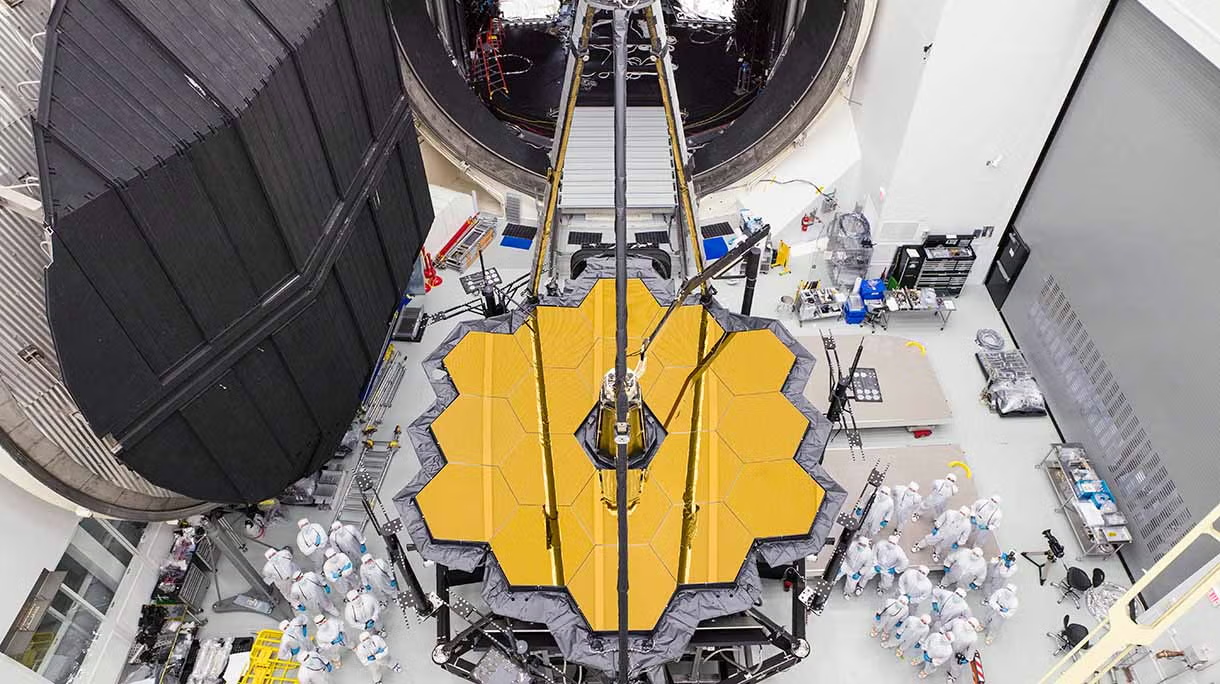
JWST - Amazing Technology
What is it?
JWST - James Web Space Telescope.
“He was the second administrator of NASA from February 14, 1961, to October 7, 1968. Webb led NASA from the beginning of the Kennedy administration through the end of the Johnson administration, thus overseeing each of the critical first crewed missions throughout the Mercury and Gemini programs until days before the launch of the first Apollo mission.”
The JWST is a specialized telesceope intended to look deep into the cosmos, especially able to look at some of the oldest galaxies and stars formed in the universe.
The telescope is quite unique, in that, it does not orbit Earth like the Hubble Space Telescope and others. The telescope is located at a place called a LaGrange point which is a stable location 1.5 million kilometres (1 million miles) away from Earth. For perspecitve, this is around 4.5x further away than the Moon.
There are difficulties doing this, but the benefits are:
- The L2 LaGrange point is quite stable and not cluttered (too much) with space junk, as compared to other orbits.
- From L2 the JWST has a wide field of view with reduced interference from “Earth light”.
- The JWST needs controlled temperature environments (with its Solar shield) and at L2 this is more manageable.
Instruments
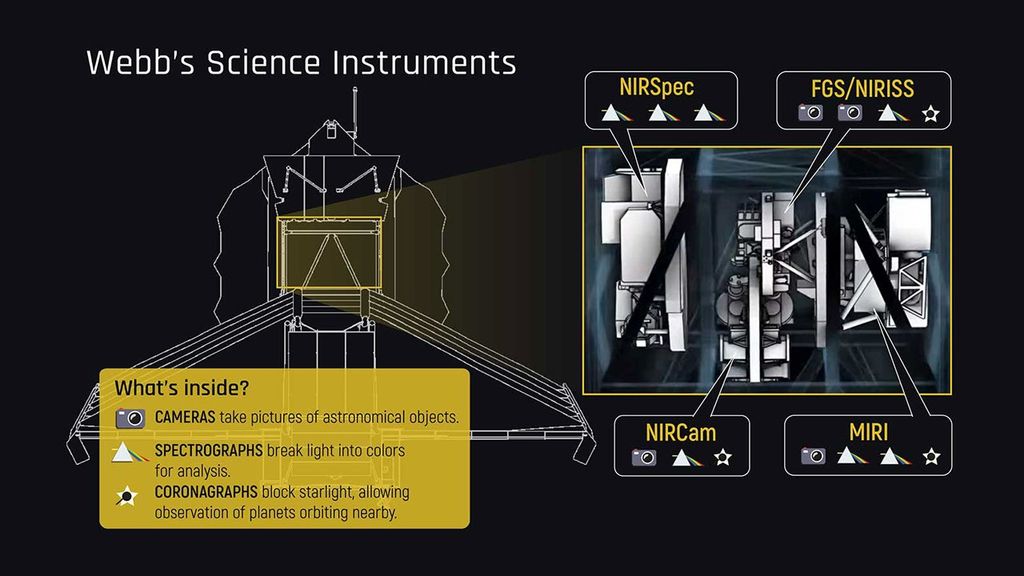
The JWST has a number of instruments onboard, mostly developed around InfraRed spectrums.
- MIRI - Mid Infrared Instrument
- NIRCam - Near Infrared Camera
- NIRSpec - Near Infrared Spectrograph
- NIRISS/FGS - Near Infrared Imager and Slittless Spectrograph/Fine Guidance Sensor
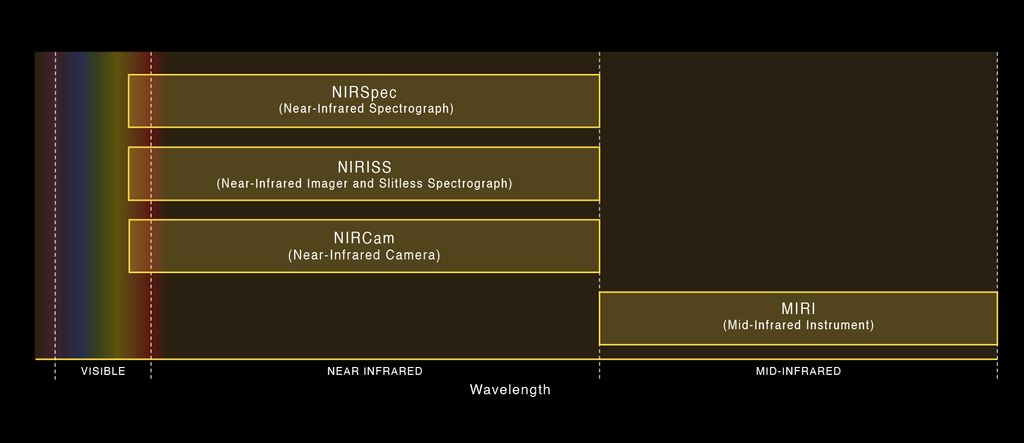
These instruments allow observation of very faint light sources in the IR spectrum. These sources are often red-shifted galaxies and stars that reach back to the early time of the big bang itself.
The light has travelled for so long, and so far the light that started as visible in the early universe, is shifted into the IR spectrum over this space and time.
These instruments are extremely sensitive and represent some of the most cutting edge IR sensing systems ever developed.
What can we see?
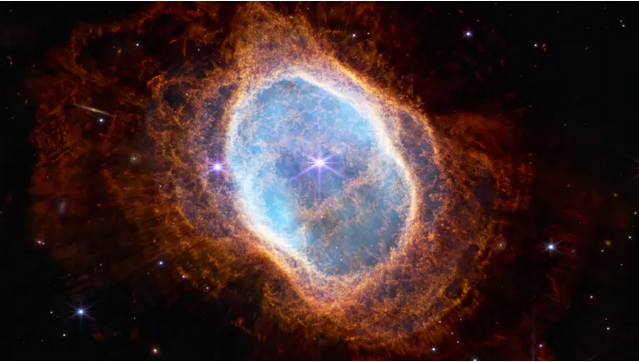
As above, this is the process of a dying star.
“Webb is examining every phase of cosmic history: from the first luminous glows after the Big Bang to the formation of galaxies, stars, and planets to the evolution of our own solar system. Learn about the 4 main science themes for Webb.”
Blackholes
Blackhole that formed before its galaxy
NASAs Webb Finds Possible ‘Direct Collapse’ Black Hole
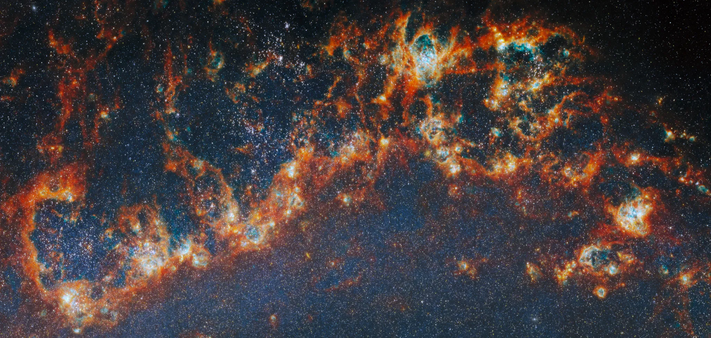
Star Clusters
“Data from the study shows that more massive star clusters emerge more quickly from the clouds they are born in. Learning about star formation helps us understand galactic evolution, the dynamics within a galaxy, as well as how and where planets form.”
Asteroid Impacts
It turns out the JWST is also very useful in finding smaller asteroids that are likely to impact Earth. This is a real benefit to everyone on Earth. There are many telescopes and sensors doing this sort of important work, and having the JWST involved has significantly helped discoveries of dangerous asteroids as well as confirming orbits for many.
New NASA Asteroid Observations Eliminate Chance of 2032 Lunar Impact
Detailed Planets
The JWST has allowed more detailed examination of our own planets in our solar system.
Webbs Jutpiter Images Showcase Auroras, Hazes
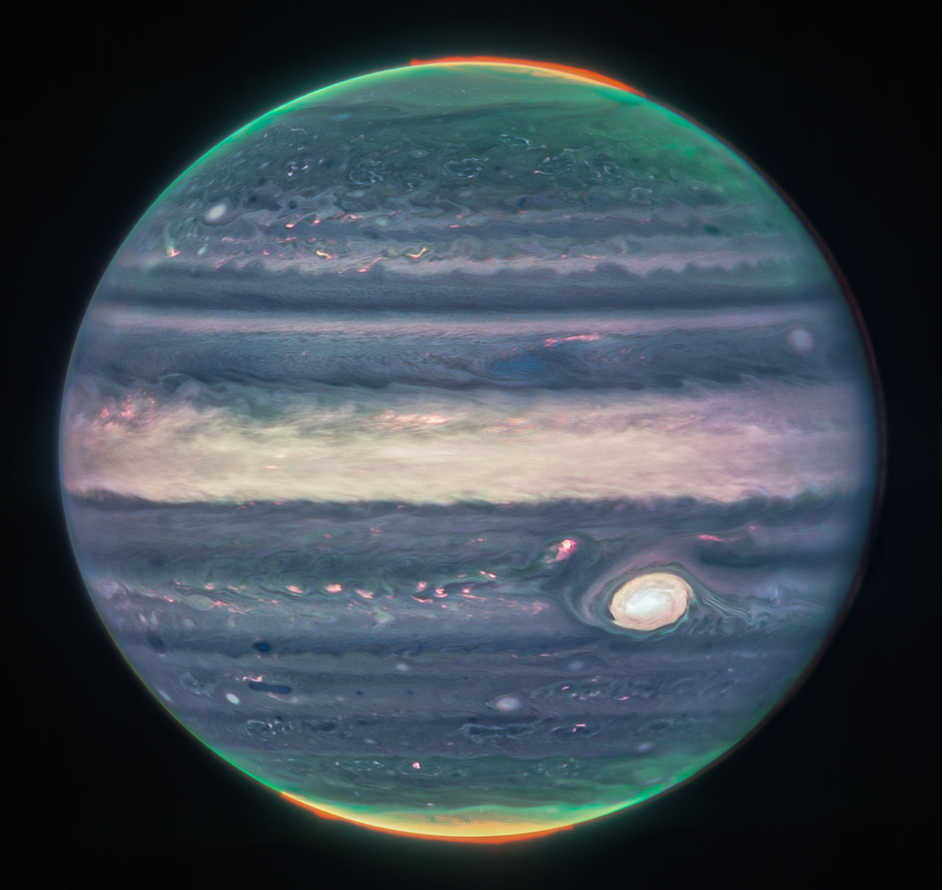
Webb Nearly Set to Explore the Solar System
The Skies are Beautiful
One of my friends said to me that the skies are one of the most beautiful things in life. We both had spent some amatuer time watching the skies with our telescopes (meagre they are in comparison), but the JWST brings this home to me even more.
The skies really are beautiful and its a priviledge to be in this time and place to be able to see these amazing images never before taken, of our skys and the cosmos beyond.