
Chinas Realestate is Dead
Its been a good 10 years of bad news for Chinas realestate, one of the only investment vehilces in China.
BBC - Chinese property giant Evergrande deslisted after spectacular fall
news.com.au - Inside Chinas housing collapse
Financial Review - How Country Garden plays into Chinas property mess
And the media and information coming out of China has been heavily restricted and controlled to try to minimize the rate of collapse:
India Times - Chinas property developers are using bizarre marketing tactics: Report
Youtube - The secret behind Chinas Ghost Cities
Financial Review - China goes from fake GDP data, to no data amid worries about housing market
It has been well known for a long time that due to Chinas over investment in infrastracture and housing to boost GDP numbers this has created a housing nightmare situation that has slowly unwravelled itself over the last 5-10 yrs.
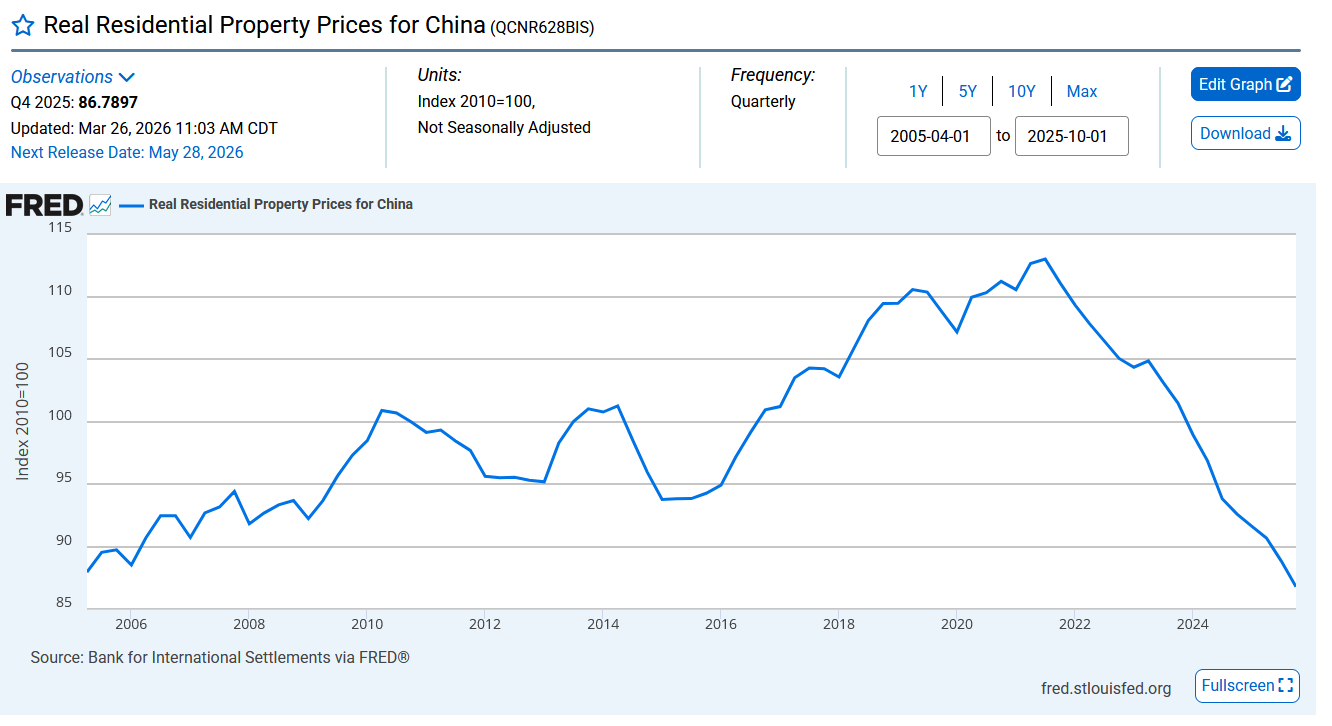
However, this new analytical data from one of the oldest research institutions in the world, now shows China is in a much worse position that ever imagined - this is so bad, it will likely put China back into third world status economically.
Federal Reserve Bank of ST Loius - Real Residential Property Prices for China
The ramifications of this rate of devaluation of realestate are widespread. From investment, from captial wealth, GDP, global investment and more. This is a clear sign of a country in deep economic decline.
National Library of Medicine - Impact of House Price on Economic Stability
The research shows there are direct impacts on economies that have problems in their realestate sector:
“The empirical results we obtained bear crucial policy implications. First, house price returns appear to have a significant asymmetric impact on economic growth, with a negative return having twice as strong an effect as a positive one. It can be explained by the negligent positive impact of house prices, most probably due to its crowding-out effect during the period of housing booms, which turns into a contagion effect negatively impacting other sections of the economy when the real estate cycle reverses. Even if the growth phase is generally longer than the decline phase in the real estate cycle, the net contribution of house price return (HPR) towards GDP growth is negligible. Our estimations show that the annual contribution of HPR, which grows on average at a positive 2% annually, to GDP growth, is only 0.034% or 5.67% of average GDP growth in the long run for all 17 OECD countries studied.”
Note the comment: … “with a negative return having twice as strong an effect as a positive one”
“Furthermore, the above findings of the paper demonstrate that real estate bubbles have major consequences on economic growth as the negative impact of house price decline is twice in magnitude compared to the positive impact of the house price increase. In addition, we have also verified that an increase in house price volatility leads to increased economic volatility. Some important policy implications emerging from our analysis are as follows. The positive contribution of housing booms on the national economy is widely celebrated in economic policy circles. Still, the even stronger negative drag on the economy resulting from the bursting of housing bubbles is rarely considered. Sadly, even greater long-term disasters can result from increased house price volatility, which may contribute to a permanent decline in levels of economic growth.”
While there are other studies that support these conclusions, this is clearly a major change in the perception of China as the “we are living in the future”.
House of Cards
The largest single problem with Chinas economic position is that none of the economic data is independantly evaluated or investigated. All data is carefully curated by the CCP itself - being a totalitarian regime with a dictator running it (since he removed the required maximum terms a leader can run).
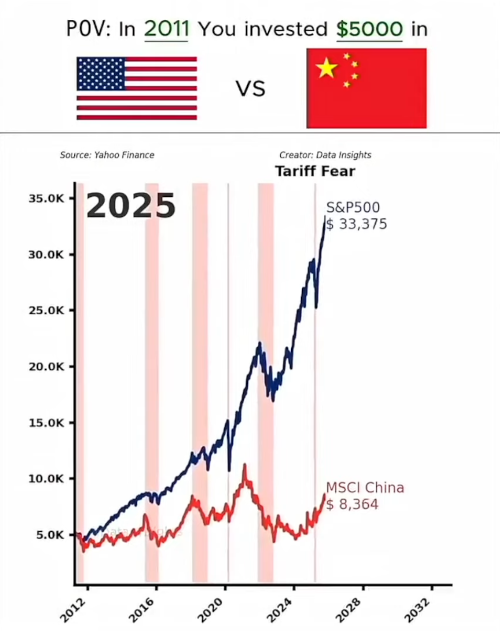
When the data is faked and untrustworthy then all of the outcomes that are propagandized by the Chinese government and media outlets they pay to promote their narrative cannot be relied upon at all.
The numbers dont lie.
Other economic factors have been clearly showing up in the last couple of years as well:
Youth Unemployment
Asia Society - The 19 percent Revisited
Nippon.com - Diengaged Youth Threatern Chinas Great Rejuventation
Factory Shutdowns and Pay Problems
Eurasia Review - Chinas Economic Winter: The Workshop Of The World Loses Its Soul
The Economist - Chinas manufacturers are going broke
Radio Free Asia - Protests by unpaid Chinese workers spread amid factory closures
Factory Fires and Explosions
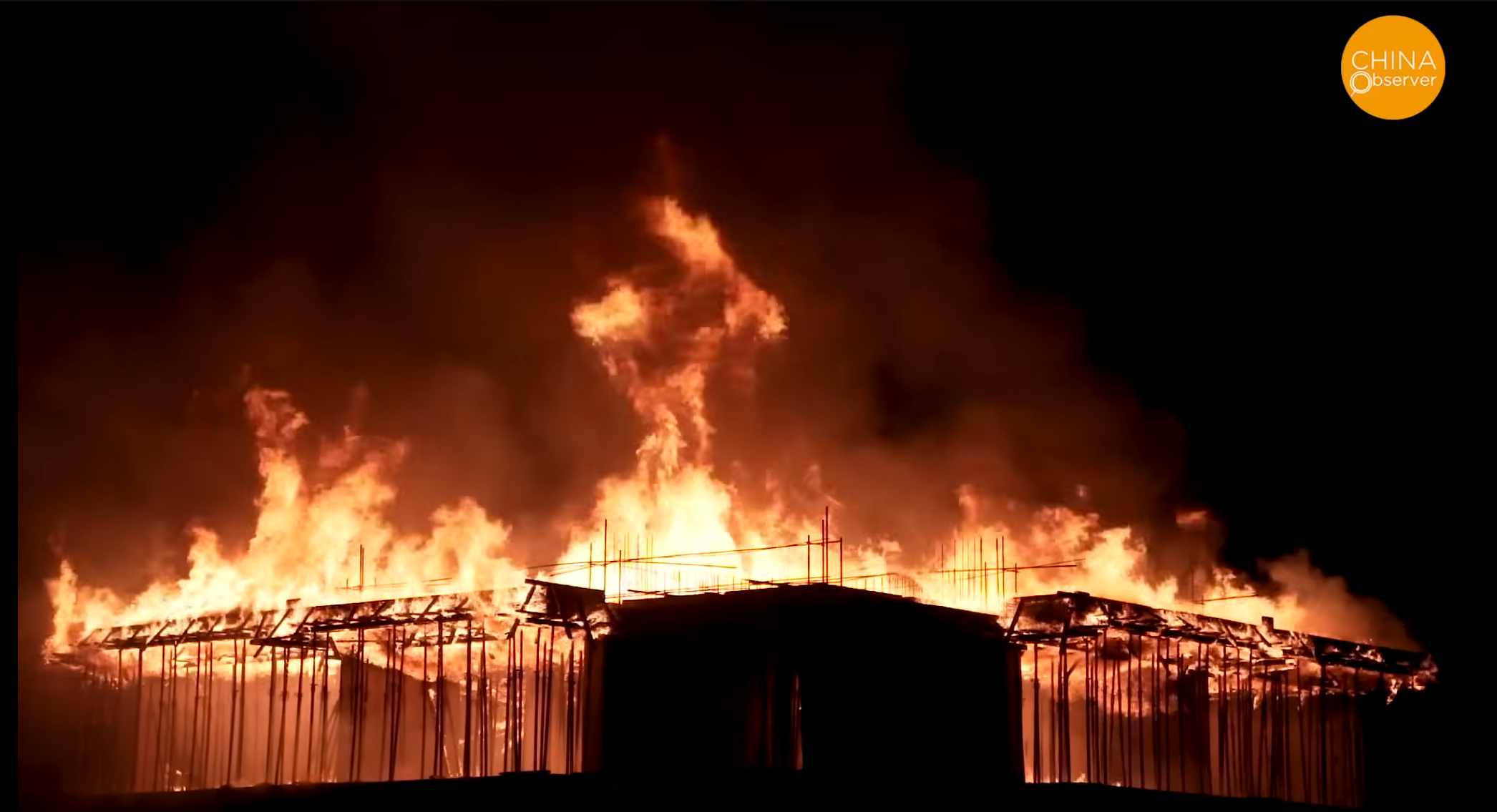
Radio Free Asia - Chinese factory worker sets fire to textile plant over 800 yuan in unnpaid wages
BBC - Huge explosion at China chemical plant kills at least five
The number of fires and explosions weekly is astonishing. Visit youtubes The China Show for a large number of examples over the last 5 years.
Large Local and Country Wide Debts
Instituit Montaigne - Local Government Debt: Adding Pressure to Chinas Economic Slowdown
The Diplomat - China Is Still Struggling to Manage Local Debt Stress
ScienceDirect - The crowding-in effects of local government debt in China
ANU - Chinas local government debt
The Guardian - China spent $240bn on belt and road bailouts from 2008 to 2021, study finds
Dialogo Americas - Road to Nowhere: Chinas Debt Trap and Lies under the BRI
Overbuilding Infrastructure
Eurasian Times - A Whopping $900B Debt
Youtube Behind Asia - Japans Profit vs Chinas Trillion-Dollar Debt
Bloomberg - Chinas Hidden-Debt Problem Laid Bare in Zunyi City Half-Finished Roads, Empty Flats
Binance Square - Highways in debt
Ghost Cities
ATI - 34 Unforgettable Photos Of Chinas’s Uninhabited Ghost Cities
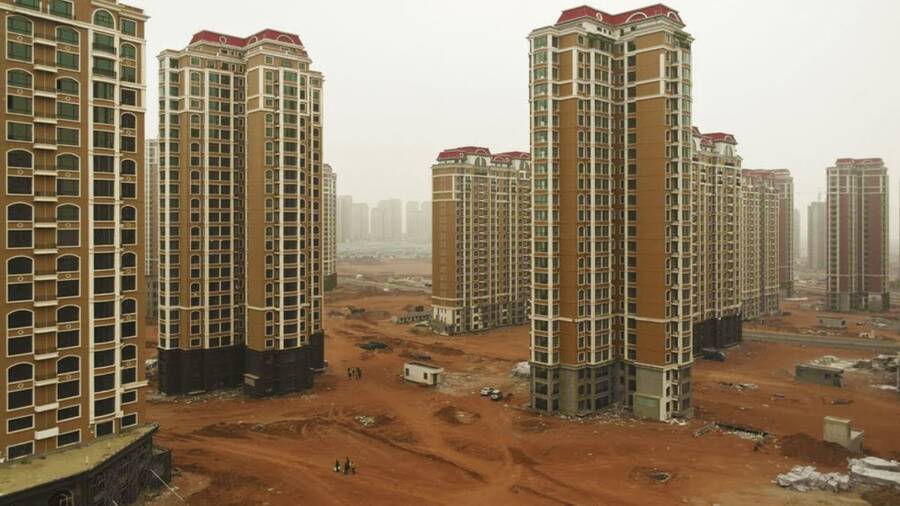
And the list goes on… the scale of this is not hard to see if you look. The CCP is doing its hardest to minimize what the rest of the world see’s in China, which then makes you wonder - how much worse is it?